
Say Goodbye to Sleep Troubles: CPAP Pillow for a More Comfortable Therapy
by Elviros Pillow on Jan 04, 2026
A peaceful night starts with the right pillow.
For individuals with Obstructive Sleep Apnea (OSA), using a Continuous Positive Airway Pressure (CPAP) device nightly is essential for health. This therapy delivers a constant stream of pressurized air, preventing the upper airway from collapsing during sleep, which effectively reduces breathing interruptions and improves blood oxygen levels.
However, a common challenge arises: standard pillows often fail to accommodate the mask properly, leading to air leaks, neck discomfort, and increased device noise. These issues can compromise treatment effectiveness. Studies suggest that approximately 30% of users struggle to adhere to CPAP therapy due to discomfort, which undermines its potential cardiovascular benefits.
01 CPAP Therapy & Sleep Quality
CPAP is the frontline treatment for OSA, especially for moderate to severe cases. It works by mechanically supporting the upper airway to keep it open, significantly improving nocturnal breathing events and reducing daytime sleepiness.
OSA is not just a sleep issue; it is an independent risk factor for cardiovascular diseases. Untreated OSA increases the risk of hypertension, arrhythmia, stroke, and other complications.
The success of CPAP therapy depends not only on the device itself but also on a supportive sleep environment, where a specialized pillow plays a crucial role.
02 Specific Needs of CPAP Users
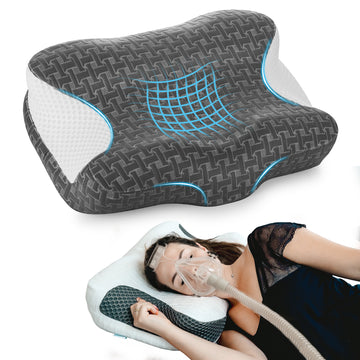
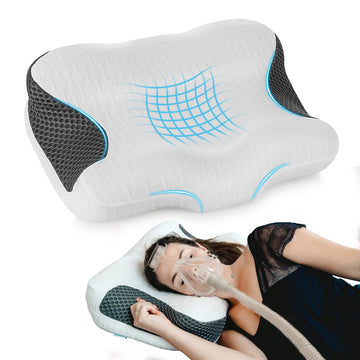
CPAP users sleep with a mask and hose, creating unique challenges that ordinary pillows cannot address.
Mask Compatibility: Regular pillows can press against the mask when users sleep on their side or stomach, causing leaks or displacement. Air leakage not only reduces therapy effectiveness but can also cause eye irritation.
Inadequate Neck Support: CPAP masks can alter head height, affecting neck and spine alignment. If the pillow height isn't adjusted accordingly, it may lead to neck pain and stiffness.
Sleep Position Limitations: Without a properly designed pillow, users might unconsciously avoid certain positions to minimize device discomfort, potentially restricting their ability to find the most comfortable posture for deep sleep.
03 Design Features of CPAP Pillows
Professional CPAP pillows incorporate specific designs to tackle these issues, enhancing comfort and treatment efficacy.
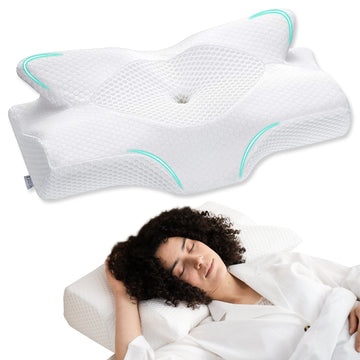
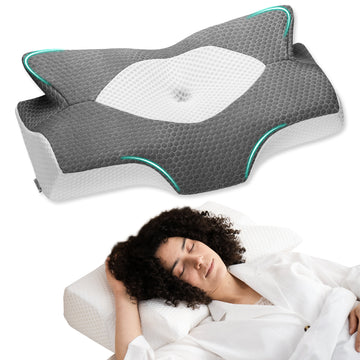
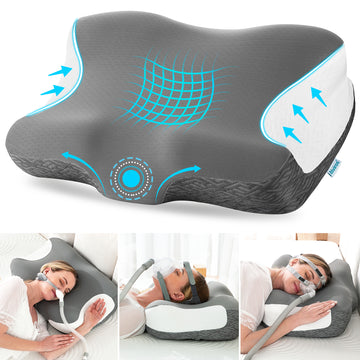
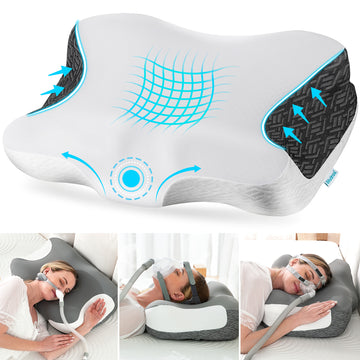
· Strategic Contouring: They often feature unique cut-outs or curves on the sides or center to provide space for the mask and hose.
· Multi-Density Support: High-quality CPAP pillows use memory foam of varying densities (e.g., 45, 60, 80, 100) to offer personalized support.
· Breathable & Cool-Touch Materials: Many incorporate cooling gel or breathable fabrics to help dissipate heat generated by the device, promoting a cooler sleep.
· Adjustable Height: Some advanced pillows allow users to customize the height based on their mask type and sleeping position, ensuring proper spinal alignment.
These features collectively address the major pain points of CPAP therapy, allowing users to focus on achieving restorative sleep rather than dealing with device discomfort.
04 Tips for Choosing a CPAP Pillow
Selecting the right CPAP pillow involves considering several factors to match your sleep habits and therapy needs.
Sleep Position: Side sleepers may need a higher, firmer pillow for proper alignment, while back sleepers might prefer a medium or low loft. The pillow should adapt to different positions for all-night comfort.
Mask Type: Full-face masks (covering mouth and nose) typically require more space than nasal pillows. Ensure the pillow provides enough room to avoid pressure on your specific mask.
Material Preference: Memory foam offers good contouring support, while latex pillows are more responsive. Temperature sensitivity is also important; hot sleepers might prefer cooling, breathable materials.
Personalized Configuration: Some pillows offer adjustable fillings, allowing users to customize height and firmness. This flexibility is particularly valuable for finding the perfect match.
05 Comprehensive Strategies for Better CPAP Experience
Beyond using a specialized pillow, other methods can further enhance your CPAP therapy experience.
Consistent Use: CPAP requires regular, nightly use (≥4 hours) for optimal results. Improving adherence is key to achieving therapeutic benefits.
Device Maintenance: Clean the mask daily and the tubing weekly to prevent bacteria buildup. Regularly check the mask seal to ensure effective treatment.
Lifestyle Adjustments: Combining weight management, side-sleeping positions, and avoiding alcohol before bedtime can further enhance treatment efficacy.
Patience & Adaptation: Initial use may require a 2-4 week adjustment period. Consult your doctor for parameter adjustments if discomfort persists, rather than abandoning therapy.
Investing in a CPAP pillow is a small yet crucial step toward long-term health. It not only contributes to a good night's sleep but also ensures the effectiveness of your breathing therapy. When CPAP therapy becomes more comfortable, adherence improves, truly unlocking its potential for cardiovascular protection and reducing associated risks.
The best CPAP pillow for you should make you almost forget the device is there, allowing for truly restful sleep night after night.