
Blog
Digital Age Posture: Supporting Your Neck in a Screen-Filled World
by ElvirosTeam on Feb 03, 2025
In a Tech-Driven World, Protect Your Neck from "Tech Neck"
In today’s technology-driven world, the average person spends over 7 hours a day glued to screens—laptops, smartphones, tablets—and often hunches over like a modern-day stoop. The prevalence of "tech neck" is more than just a cosmetic issue; it is an invisible health crisis that can lead to chronic pain, reduced work efficiency, and even long-term spinal damage. However, with the right methods and tools, you can restore proper posture and protect your cervical spine. Let’s explore how to thrive in the digital age without sacrificing your health.
The Costs of Tech Neck
When you hunch over to scroll or type, your spine bears a tangible amount of weight. For every inch your head tilts forward, the pressure on your neck increases by 10 pounds. Over time, this can cause:
- Chronic pain in the neck, shoulders, and upper back
- Reduced mobility and stiffness
- Headaches caused by muscle strain and nerve compression
- Poor blood circulation, which affects focus and energy levels
Studies show that 58% of remote workers report screen-related neck pain, making it a widespread problem.
Why Traditional Solutions Fall Short
Generic advice like "sit up straight" or cheap ergonomic gadgets often fail because they overlook two critical factors:
- Habitual screen posture: We slouch and hunch without even realizing it.
- Nighttime strain: Even if you correct your daytime habits, a pillow with insufficient support can misalign your neck during sleep, undoing all your progress.
Fighting Tech Neck: A Day-and-Night Strategy
1. Daytime Posture Correction
- Elevate your screen: Adjust your laptop and monitor to eye level to avoid tilting your head.
- Follow the 20-20-20 rule: Every 20 minutes, look at an object 20 feet away for 20 seconds.
- Strengthen your neck muscles: Simple exercises such as chin tucks and resistance band stretches can build muscle support.
2. Nighttime Recovery
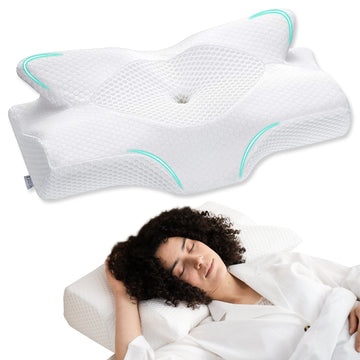
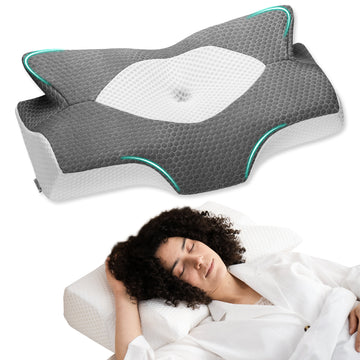
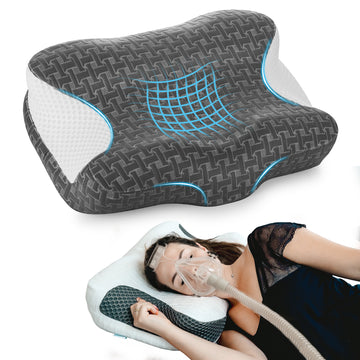
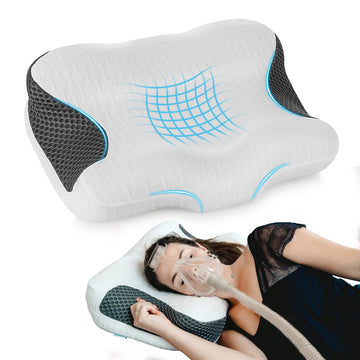
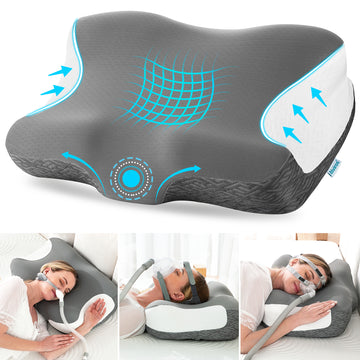
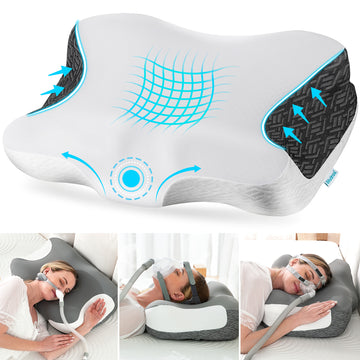
Your spine needs to maintain proper alignment even while you sleep. A contoured memory foam pillow can:
- Keep your spine in a neutral position, preventing daytime slouching
- Relieve pressure points in the neck and shoulders
- Adapt to your sleep style—whether you’re a side, back, or combination sleeper
Pro tip: Pair it with a supportive mattress to enhance the pillow’s comfort and effectiveness.
The Role of Ergonomic Accessories
- Adjustable standing desk: Alternate between sitting and standing to reduce fatigue.
- Posture corrector: Wearable devices gently remind you to stand tall.
- Blue light-blocking glasses: Reduce eye strain, which indirectly prevents excessive neck extension.
Case Study: From Pain to Peak Productivity
Sarah, a graphic designer, suffered from chronic neck pain after 10-hour workdays. By correcting her poor daytime posture and using a memory foam pillow designed specifically for cervical support, she reduced her pain by 70% in just 4 weeks. "It was like hitting a reset button for my spine," she said.
Your Posture Protection Kit
- Ergonomic workstation: Invest in a monitor stand and keyboard tray.
- Memory foam pillow: Choose one with cooling gel to prevent overheating during sleep.
- Daily stretches: 5 minutes of neck and shoulder stretches each day can prevent stiffness.
The Bottom Line
In the digital age, protecting your cervical spine is no longer optional—it’s essential. By developing good daytime habits and pairing them with soothing nighttime support, you can effectively alleviate screen-induced damage and build a healthier, pain-free future.
Ready to improve your posture? Explore Elviros® Ergonomic Memory Foam Pillows and Accessories—crafted to align your spine and help you fight tech neck day and night.