
CPAP Therapy Made Easy: OSA Symptoms, Treatment, & the Pillow You Need
by Elviros Pillow on Jan 20, 2026
CPAP TheraTired of feeling tired? Frustrated with CPAP therapy that feels more like a hassle than a help? You’re not alone. Most OSA patients struggle with CPAP—usually because they’re using the wrong pillow. Let’s cover OSA symptoms, how CPAP works, why regular pillows fail, daily care tips, and the pillow that makes therapy feel effortless.
01 OSA Symptoms: Don’t Ignore These Red Flags
OSA often flies under the radar, but these symptoms are impossible to miss if you know what to look for. It’s not just snoring— it’s a pattern of disrupted sleep that affects your entire day:
Nighttime clues: Loud, disruptive snoring; pauses in breathing (your partner might notice this!); tossing and turning; frequent night waking; night sweats; feeling restless even after “sleeping.”
Daytime struggles: Unrelenting fatigue (you could nap anywhere, anytime); difficulty staying awake during meetings, TV, or driving; poor memory and concentration (brain fog); irritability or anxiety; morning headaches that linger for hours.
If you’re checking off multiple boxes, it’s time to talk to your doctor about a sleep study. Early diagnosis means faster relief.
02 How CPAP Treats OSA (And Why It‘s Non-Negotiable)
CPAP stands for Continuous Positive Airway Pressure—and it’s the most effective, non-invasive treatment for moderate to severe OSA. Here’s the science in plain language: The device delivers a constant flow of pressurized air through a mask, which acts as a “splint” to keep your upper airway open while you sleep. No more airway collapse, no more breathing pauses, and no more snoring.
The benefits are life-changing: Better sleep, more energy, improved mood, and a lower risk of heart disease, high blood pressure, and stroke. But CPAP only works if you use it consistently (4+ hours a night!). Comfort is the #1 factor in sticking with it—and that’s where a CPAP-specific pillow comes in.
03 Why Regular Pillows Are CPAP’s Worst Enemy
Regular pillows are designed for people who don’t wear masks to sleep—so they’re basically CPAP kryptonite. Here’s why they fail:
❌ Leaky masks: They press against your mask, breaking the seal. Leaks mean your CPAP isn’t delivering enough pressure, so you’re still struggling to breathe.
❌ Neck strain: They don’t account for the extra height of your mask, so your neck stays bent all night. Stiff necks = miserable mornings.
❌ Sleep position restriction: You’re stuck sleeping in one spot to avoid mask pressure, so you never get comfy enough to fall into deep sleep.
❌ Hygiene issues: Regular pillows absorb sweat and mask residue, becoming a breeding ground for bacteria—gross, and bad for your skin.
04 Daily Care Tips: For Prevention & CPAP Success
▶ For everyone (prevent OSA before it starts!):
Maintain a healthy weight: Extra weight around the neck is the top cause of OSA—even a 10% weight loss can drastically improve airway flow.
Quit smoking: Nicotine irritates airways, making them narrower and more prone to collapse. Quitting improves sleep quality in as little as 2 weeks.
Avoid sedatives: Sleeping pills, antihistamines, and alcohol relax throat muscles—skip them before bed to keep your airway open.
Choose a supportive pillow: Even if you don’t have OSA, a pillow that aligns your neck and spine prevents future sleep issues.
▶ For CPAP users (maximize therapy effectiveness):
Clean your gear daily: Wash your mask cushion with mild soap and water; rinse tubing weekly; replace filters monthly. Dirty gear causes skin irritation, infections, and bad odors.
Use CPAP for 4+ hours/night: That’s the minimum time needed to see health benefits (like lower blood pressure and more energy). Set a reminder on your phone to put it on before bed.
Adjust your mask fit: If your mask leaks or feels tight, tweak the straps or ask your provider for a different size/style. A good fit = better comfort.
Give it time: It takes 2–4 weeks to adjust to CPAP. Don’t quit if it feels weird at first—most users say it becomes second nature with time.
05 The Best Pillow for CPAP Users: Elviros CPAP Pillow
The Elviros CPAP Pillow is built for OSA patients—no shortcuts, no one-size-fits-all flaws. Here’s why it’s a game-changer:
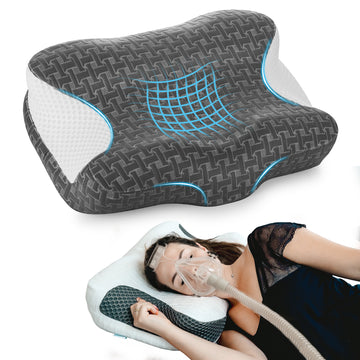
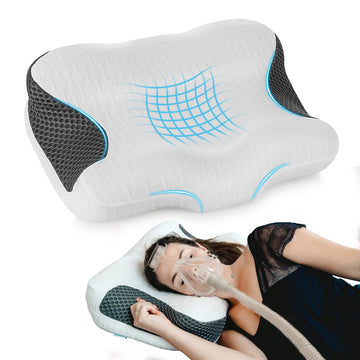
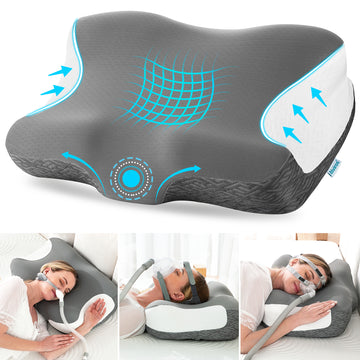
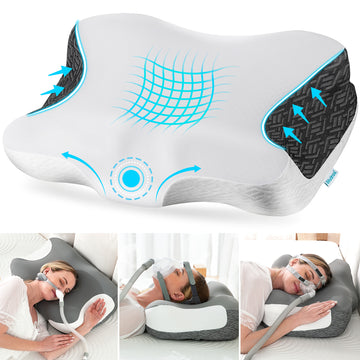
✅ Mask & tubing compatibility: Custom cutouts on the sides and center keep your mask in place, eliminating leaks and pressure marks. Works with full-face, nasal, and nasal pillow masks!
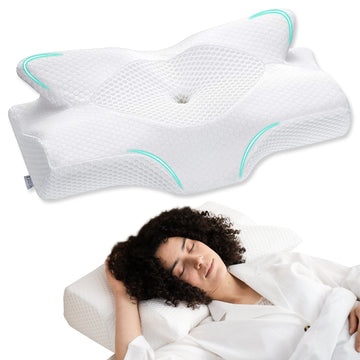
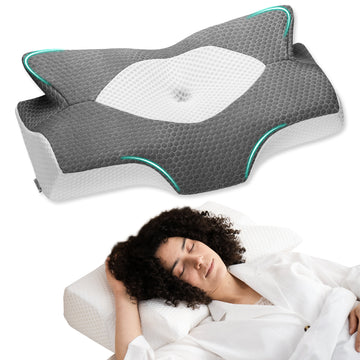
✅ Ergonomic neck support: Multi-density memory foam follows your neck’s natural curve, reducing stiffness and pain—even after 8+ hours of use.
✅ Cooling technology: Built-in cooling gel and breathable fabric prevent overheating. No more waking up sweaty or overheated from your mask.
✅ Height-adjustable: Add or remove fill to get your ideal loft, whether you’re a side, back, or stomach sleeper (yes, stomach sleepers—we’ve got you covered).
✅ Machine-washable cover: Easy to clean, so your pillow stays fresh and hygienic for years.