
From Dreaded Device to Welcomed Ritual: The Psychology of CPAP Comfort
by Elviros Pillow on Mar 09, 2026
The psychological hurdle of adapting to CPAP therapy is real. The transition from sleeping freely to being connected to a machine can trigger feelings of restriction, anxiety, or even claustrophobia. These feelings are often amplified by physical discomfort—a leaky mask blowing air in your eyes, straps pulling at your hair, or neck pain from poor support. When the brain associates the CPAP with discomfort and frustration, non-adherence becomes a likely outcome.
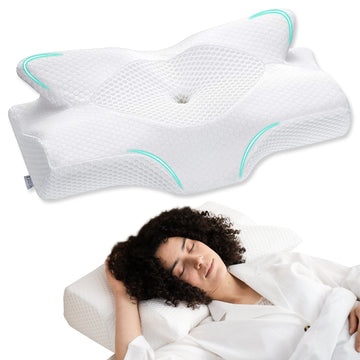
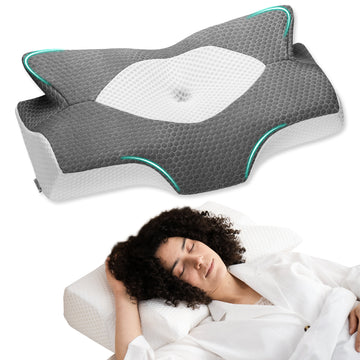
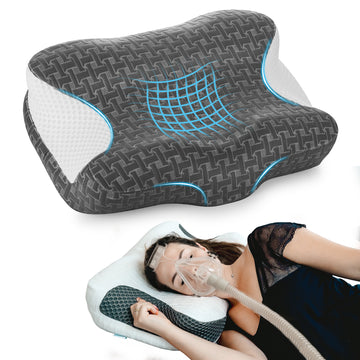
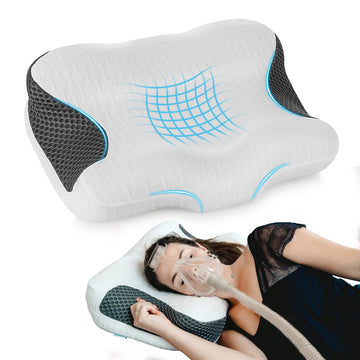
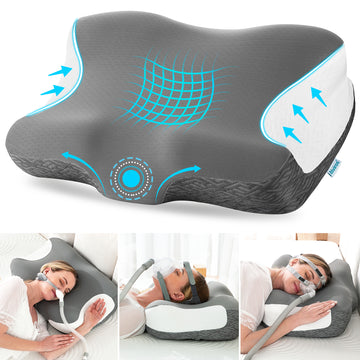
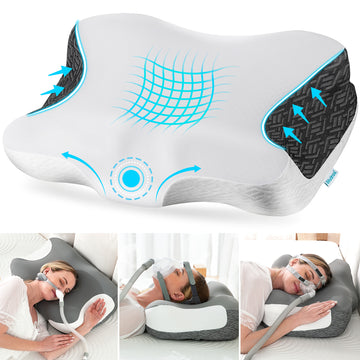
Therefore, the path to psychological acceptance is paved with physical comfort. Creating a positive, even luxurious, sensory experience around your CPAP routine is crucial for long-term success. Every element that enhances comfort sends a signal to your brain that this is safe, beneficial, and something to be welcomed. This is where the tactile experience of your pillow plays a surprisingly powerful role. A standard pillow that fights your mask creates a nightly battle, reinforcing negative associations. In contrast, a pillow designed to collaborate with your equipment fosters a sense of ease and integration.The Joynox CPAP Pillow serves as this cornerstone of comfort.
Sinking into its supportive, body-contouring memory foam provides an immediate sensation of relief and luxury. The way it gently cradles your head and neck, while simultaneously creating a safe haven for your mask, removes the sensory irritants that breed resentment. The silence from eliminated leaks creates a calm auditory environment. Waking up without red lines on your face or a stiff neck reinforces a positive outcome.