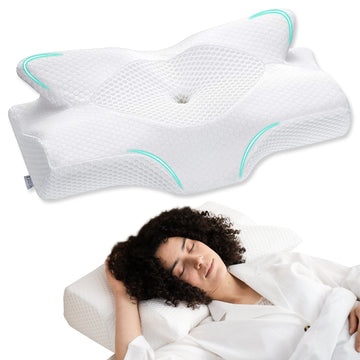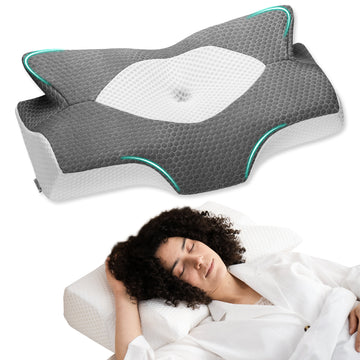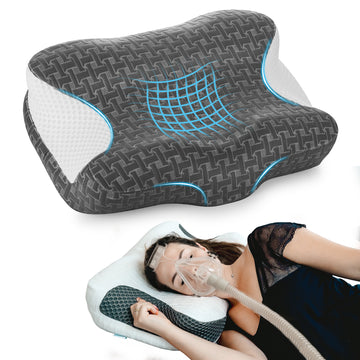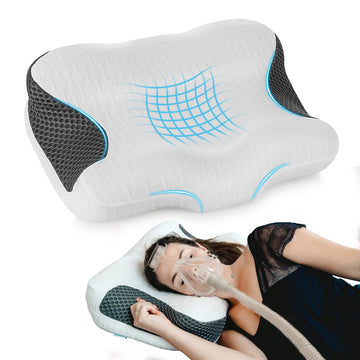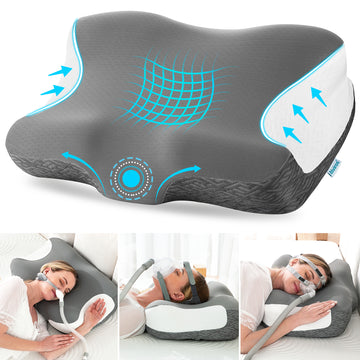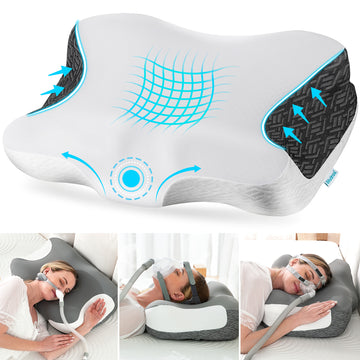

Sleeping on your side with a CPAP mask can feel comfortable at first, but many users quickly notice the same frustrating problem during the night. A regular pillow often presses against the mask, causing air leaks, facial pressure, and constant adjustments that interrupt sleep.

For side sleepers, the wrong pillow can make CPAP therapy much harder than it needs to be. The right CPAP pillow creates extra space around the mask while supporting the neck more naturally, helping reduce pressure points and improve overall comfort throughout the night.
Key Takeaways
Key Takeaways
- Side sleepers often experience CPAP mask pressure and air leaks with regular pillows.
- A CPAP pillow helps create more space around the mask for a more stable seal.
- Proper neck and head support can improve overall sleep comfort during CPAP therapy.
- Memory foam and contoured designs are especially helpful for side sleepers.
- The right pillow can reduce nightly mask adjustments and improve sleep consistency.
- Different CPAP mask styles may require different pillow shapes and cutout depths.
- Choosing a pillow that matches your sleeping position can make therapy feel more natural.
Why I Tested Different CPAP Pillows for Side Sleepers
Sleeping with a CPAP mask on your side can be frustrating when a regular pillow keeps pushing against the mask throughout the night. Many users experience air leaks, facial pressure, and constant interruptions that make therapy less comfortable than it should be.
After trying several different CPAP pillows, I noticed that the right design can make a major difference. Better mask clearance and more stable neck support helped reduce pressure around the face while improving overall sleep comfort.
I also looked closely at how different pillow materials and shapes performed with both nasal and full-face CPAP masks. Some designs felt too soft and collapsed during the night, while others provided much better support for side sleeping without affecting the mask seal.
The goal of this guide is simple: help side sleepers find a CPAP pillow that feels comfortable, supports proper alignment, and makes nightly therapy easier to maintain.
The Biggest Problem Side Sleepers Face With CPAP Masks
Many side sleepers notice the same problem soon after starting CPAP therapy. The moment your head presses into a regular pillow, the mask often shifts out of position and starts leaking air during the night.
This pressure usually pushes the mask against the cheeks, nose, or side of the face, which can leave red marks and make sleeping uncomfortable. For some users, the leaks become so frustrating that they constantly wake up to readjust the mask.
Full-face CPAP masks are especially affected because they have a larger surface area that comes into contact with the pillow. Softer or overly thick pillows can easily break the mask seal when sleeping on your side.
Even small air leaks can reduce therapy comfort and make sleep feel less restful. Some users also experience dry eyes, facial irritation, or discomfort from the constant airflow escaping around the mask.
A properly designed CPAP pillow helps reduce these issues by creating extra space around the mask while supporting the head and neck more naturally. This allows side sleepers to maintain a more stable seal without constantly adjusting their sleeping position during the night.
For many CPAP users, switching to a better pillow can make therapy feel more comfortable, more consistent, and much easier to maintain long term.
How a CPAP Pillow Can Improve Sleep Comfort
A good CPAP pillow can make a noticeable difference for side sleepers who struggle with mask pressure and air leaks during the night. Unlike regular pillows, CPAP pillows are designed to create extra space around the mask while still supporting the head and neck comfortably.
This helps reduce the pressure placed on the mask when sleeping on your side, making it easier to maintain a stable seal throughout the night. Many users notice fewer leaks, less facial discomfort, and fewer interruptions caused by constant mask adjustments.
The added neck support can also improve sleeping posture and reduce stiffness in the shoulders or upper back. For people using CPAP therapy every night, the right pillow often makes the entire experience feel more natural and easier to maintain long term.
Reducing Facial Pressure While Sleeping
One of the biggest benefits of a CPAP pillow is reducing pressure against the face during side sleeping. Special contour cutouts or recessed areas create extra space for the mask, helping prevent the pillow from pushing the frame into the cheeks or nose.
This can make a big difference for users who often wake up with facial pressure marks, soreness around the nose, or discomfort from wearing the mask for long hours overnight.
With less pressure against the mask, many side sleepers find it easier to stay comfortable throughout the night without constantly changing positions or adjusting the equipment.

Helping Maintain a Better Mask Seal
A supportive CPAP pillow can help keep the mask in a more stable position throughout the night. When sleeping on a regular pillow, side pressure often pushes the mask sideways and breaks the seal, leading to air leaks and frequent adjustments.
A properly designed CPAP pillow creates enough space around the mask so it is less likely to be compressed while side sleeping. This helps maintain more consistent airflow and reduces the uncomfortable feeling of air escaping around the face.
At the same time, the pillow still needs to provide proper support for the neck and spine. The best designs balance mask clearance with stable head and neck support, allowing side sleepers to stay comfortable without affecting therapy performance.
| Feature | Standard Bedding | Specialized Headrest |
|---|---|---|
| Mask Interface | Pushes device into face, breaks seal | Provides clearance via cutouts, preserves seal |
| Facial Comfort | Causes red marks and morning lines | Distributes weight to skull, eliminates pressure |
| Air Leak Management | Frequent leaks disrupt therapy and sleep | Stable surface prevents leaks for consistent pressure |
| Neck Support | Often misaligns spine for side sleepers | Ergonomic design maintains neutral cervical alignment |
| Therapy Outcome | Fragmented sleep, inconsistent use | Uninterrupted rest, reliable treatment adherence |
Better Neck and Spine Support for Side Sleepers
A well-designed CPAP pillow does more than protect the mask seal. It also helps support the neck and spine in a more natural sleeping position, which is especially important for side sleepers.
Many CPAP pillows use ergonomic contours or raised edges to help keep the head and neck properly aligned during the night. This added support can reduce strain on the shoulders, neck, and upper back while helping the body stay more relaxed during sleep.
Compared to regular pillows that collapse or shift too easily, a supportive CPAP pillow can help reduce tossing, turning, and constant repositioning overnight. Many users notice they wake up feeling less stiff and more rested in the morning.
For side sleepers using CPAP therapy every night, better spinal alignment can improve both sleep comfort and overall therapy consistency.
Important Features to Look for in a CPAP Pillow
Not all CPAP pillows are designed the same, especially for side sleepers. Choosing the right pillow often comes down to a few important features that can directly affect comfort, mask stability, and overall sleep quality during CPAP therapy.
A good CPAP pillow should provide enough space around the mask to reduce pressure and prevent air leaks while still supporting the head and neck properly. Material quality, contour design, cooling performance, and overall support all play a role in how comfortable the pillow feels during overnight use.
Understanding these key features can make it much easier to find a pillow that works well with your sleeping position and CPAP mask type instead of causing more discomfort during the night.Your journey to restful sleep hinges on understanding a few essential design principles for your bedding. With numerous products available, focusing on core engineering elements ensures you select a headrest that truly enhances your therapy. This breakdown highlights the non-negotiable characteristics that separate effective cushions from disappointing ones.
Mask Clearance Is One of the Most Important Features
Mask clearance refers to the extra space built into a CPAP pillow to reduce pressure against the mask and hose during sleep. This design helps prevent the pillow from pushing the mask out of position, which is one of the main causes of air leaks for side sleepers.
The amount of space needed often depends on the type of CPAP mask being used. Full-face masks usually require deeper cutouts because they are larger and make more contact with the pillow during side sleeping.
Nasal masks and nasal pillow masks are generally smaller and may work well with softer or shallower contour designs. Choosing the right level of mask clearance can make a noticeable difference in comfort and seal stability throughout the night.

Look for CPAP pillows with well-designed contouring around the areas where the mask touches the pillow during side sleeping. A simple hole in the center may not provide enough support for the head and neck, especially for users who move frequently during the night.
Better designs usually combine mask cutouts with stable ergonomic support, allowing the mask to rest more naturally without affecting overall comfort or sleeping posture.
Choosing the Right CPAP Pillow Material
The material inside a CPAP pillow can greatly affect comfort, support, cooling performance, and long-term durability. Different materials feel very different during overnight use, especially for side sleepers using CPAP masks.
Memory foam is one of the most popular choices because it holds its shape well and provides stable support throughout the night. It also contours around the head and neck more naturally, which helps reduce pressure against the mask during side sleeping.
Some CPAP pillows also include cooling gel or temperature-regulating materials to help reduce heat buildup during sleep. This can be especially helpful for users who tend to sleep hot while wearing a CPAP mask.
Latex pillows offer a more responsive and bouncy feel, but some side sleepers may notice more mask movement if they shift positions frequently during the night.
Very soft down or plush polyester pillows are usually less ideal for CPAP therapy because they tend to collapse under pressure. When the pillow loses its shape, the mask is more likely to shift and leak air.
A removable and breathable pillow cover is also important for long-term comfort and easier cleaning, especially for a pillow used every night during CPAP therapy.
| Material | Primary Benefit | Consideration for Therapy |
|---|---|---|
| Memory Foam | Contours to head and neck, holds shape | Excellent stability; prevents seal breakage |
| Cooling Gel Infusion | Regulates temperature, reduces heat buildup | Enhances comfort for hot sleepers |
| Latex | Responsive, bouncy feel | May shift more easily; check stability |
| Down or Polyester Fill | Soft, plush initial feel | Often collapses, losing support and clearance |
Adjustable Height and Firmness Can Improve Comfort
Not every CPAP pillow feels comfortable for every sleeper. Body size, shoulder width, sleeping position, and personal preference all affect how much height and firmness a pillow should provide, especially for side sleepers.
Some CPAP pillows include removable inserts or adjustable foam layers that allow users to customize the pillow height and support level. This can help create a more natural sleeping position while improving neck and spine alignment during CPAP therapy.
Side sleepers usually need a slightly firmer and taller pillow to properly support the head and shoulders. A pillow that is too low may strain the neck, while a pillow that is too high can push the head upward and affect the mask seal during sleep.
Adjustable designs can also be helpful over time if sleeping habits, body position, or CPAP equipment change. Being able to customize support makes it easier to maintain long-term comfort and consistent therapy performance.
My Top Overall Pick for Side Sleepers
After comparing different CPAP pillows over multiple nights, the Contour CPAPMax Pillow 2.0 stood out as one of the most balanced options overall for side sleepers using CPAP therapy.
What made this pillow perform so well was its combination of mask clearance, stable neck support, and overall comfort during overnight use. It reduced pressure against the mask without sacrificing support or feeling too soft during side sleeping.
The design also worked well for different sleeping positions, making it a good option not only for dedicated side sleepers but also for users who occasionally shift onto their back during the night.
Standout Design and Comfort Features
One of the biggest strengths of the CPAPMax Pillow is its deep contour design on both sides of the pillow. These recessed areas create extra space around the mask, helping reduce pressure and preventing the pillow from pushing against the CPAP equipment during side sleeping.
This allows the mask to rest more naturally without being compressed into the face or forced out of position during the night. The overall design feels much more stable and comfortable compared to using a regular pillow with CPAP therapy.

The CPAPMax Pillow uses a medium-firm memory foam core that provides stable support while still feeling comfortable during side sleeping. It helps support the head and neck without flattening too much during the night, which can improve both comfort and mask stability.
It also comes with a cooling pillow cover that helps reduce heat buildup, which is especially helpful for users who tend to sleep warm while using CPAP therapy.
Another advantage is the overall shape of the pillow, which makes it easier to change sleeping positions during the night. The CPAP hose moves more naturally around the pillow without pulling or getting caught as easily.
Who This CPAP Pillow Is Best For
The CPAPMax Pillow is especially well suited for side sleepers who experience mask pressure or air leaks during the night. It also works well for combination sleepers who sometimes switch between side and back sleeping positions.
The contour design provides enough space for both nasal masks and larger full-face CPAP masks, making it a versatile option for different therapy setups.
Users looking for a balance between pressure relief, neck support, and overall sleeping comfort will likely appreciate the ergonomic shape and stable support this pillow provides throughout the night.
The cooling cover is also helpful for people who tend to sleep hot, offering the comfort and support of memory foam without trapping as much heat during overnight use.
Things to Consider Before Buying
While the CPAPMax Pillow works very well for many side sleepers, the pillow height may feel slightly too tall for users with narrower shoulders or those who prefer a lower sleeping position.
Like many memory foam pillows, some users may notice a mild foam smell when first opening the pillow. This usually fades within a day or two after airing it out in a well-ventilated room.
In terms of value, the pillow offers a good balance of comfort, support, cooling features, and durability compared to many other CPAP pillows on the market. Long-term user feedback is generally very positive, especially from side sleepers looking for more stable overnight mask support.
Best Contoured CPAP Pillow for Reducing Mask Pressure
For CPAP users who experience significant facial pressure or frequent mask leaks during side sleeping, a deeper contoured pillow design can make a major difference. Standard pillows often do not provide enough space around the mask, especially for larger CPAP setups.
This type of CPAP pillow is designed with more pronounced cutouts to reduce direct contact between the pillow and the mask. By creating extra room around the face, it helps reduce pressure points and makes side sleeping more comfortable during overnight therapy.
One of the stronger options in this category is the CPAP Ergonomic Pillow, which focuses heavily on mask clearance and stable side-sleeping support.
Deep Cutouts and Ergonomic Contour Design
One of the main advantages of this style of CPAP pillow is the deeper contour cutouts built into both sides of the pillow. These recessed areas create more space around the mask, helping reduce pressure and prevent the pillow from pushing against the CPAP equipment during side sleeping.
The ergonomic contour design also helps support the head and neck more naturally while keeping the mask in a more stable position throughout the night. This can reduce leaks, facial discomfort, and the need for constant mask adjustments during sleep.
For users with larger full-face masks, deeper cutouts can make side sleeping feel much more comfortable compared to using a standard pillow.

Especially Helpful for Full-Face CPAP Masks
This type of CPAP pillow is especially useful for users wearing larger full-face masks, which are more likely to experience pressure and air leaks during side sleeping.
The deeper contour cutouts help prevent the pillow from pushing against the mask when the head sinks into the pillow during the night. This helps maintain a more stable seal and reduces the chances of the mask shifting out of position while sleeping.
Many of these pillows also use firmer memory foam to help the contour areas keep their shape instead of collapsing under pressure. This added stability can improve comfort for side sleepers using bulkier CPAP masks.
Some users may need a short adjustment period if they are not used to ergonomic contour pillows, especially people who occasionally sleep on their back or prefer lower-profile pillows.
For users struggling with severe mask pressure or frequent leaks, this style of CPAP pillow can provide a noticeable improvement in overnight comfort and mask stability.
Best Cooling CPAP Pillow for Hot Sleepers
For many CPAP users, heat buildup during the night can make sleeping much less comfortable, especially when wearing a mask for several hours at a time. Hot sleepers often struggle with trapped heat around the face, neck, and pillow surface during CPAP therapy.
Cooling CPAP pillows are designed to help reduce this problem by using more breathable materials and temperature-regulating fabrics. The goal is to improve airflow and keep the pillow feeling cooler throughout the night without losing proper support for the head and neck.
When comparing cooling CPAP pillows, I focused on options that balanced comfort, support, and heat reduction, especially for side sleepers who tend to sleep warm while using CPAP equipment.
Cooling Materials That Help Reduce Heat
Many cooling CPAP pillows use specialized materials designed to reduce heat buildup during sleep. These materials help improve airflow and create a cooler sleeping surface, which can make CPAP therapy feel much more comfortable for hot sleepers.
Cooling gel memory foam is one of the most common options. The gel layer helps absorb and disperse body heat while still providing the supportive feel of traditional memory foam.
Some pillows also use temperature-regulating fabric covers that stay cooler to the touch throughout the night. These materials help reduce heat retention around the face and neck during sleep.
Ventilated or open-cell memory foam is another popular feature because it allows more airflow through the pillow instead of trapping warm air inside the foam.
Breathable covers made from materials like bamboo or Tencel can also improve comfort by helping pull moisture and sweat away from the skin during overnight use.
| Cooling Technology | How It Works | Key Benefit |
|---|---|---|
| Infused Cooling Gel | Gel layer absorbs and dissipates body heat. | Provides a continuously cool feel; reduces overall warmth. |
| Phase-Change Fabric Cover | Smart textile absorbs heat to maintain a steady surface temperature. | Prevents the initial warm-up feeling; offers consistent comfort. |
| Ventilated Open-Cell Foam | Air channels within the foam promote internal airflow. | Stops heat from being trapped in the cushion's core. |
| Moisture-Wicking Bamboo/Tencel Cover | Natural fibers pull moisture away from the skin to evaporate. | Keeps the surface dry; minimizes damp, sticky discomfort. |
Better Airflow and Breathability for Overnight Comfort
Good airflow is an important part of a comfortable CPAP pillow, especially for users who tend to sleep hot. Breathable designs help air circulate more freely around the head, neck, and mask area instead of trapping heat throughout the night.
Some CPAP pillows include ventilation holes or open-air channels that allow warm air to escape more easily from the pillow surface. Others use textured or ventilated memory foam designs to improve airflow inside the pillow itself.
These features can help reduce the sweaty or overheated feeling that often causes people to wake up and constantly adjust their sleeping position during the night.
One strong example is the Contour CPAPmax Cooling Gel Pillow, which combines cooling gel memory foam with a breathable cooling cover. During testing, the pillow stayed noticeably cooler than many standard memory foam pillows while still maintaining good support and mask stability.
This type of cooling CPAP pillow can be especially helpful for hot sleepers, people living in warmer climates, or users who experience night sweats while using CPAP therapy.
One thing to keep in mind is that cooling gel memory foam may feel slightly firmer than traditional memory foam at first. The strongest cooling effect is also usually most noticeable when the pillow is newer.
Best Adjustable CPAP Pillow for Personalized Comfort
Modifiable Loft and Support
One of the biggest advantages of an adjustable CPAP pillow is the ability to customize the pillow height and support level based on personal comfort needs.
By adding or removing foam layers or inserts, users can create a sleeping position that better supports the head, neck, and shoulders during CPAP therapy. This can help improve spinal alignment while reducing pressure against the mask during side sleeping.
Being able to adjust the pillow firmness and loft also makes it easier to find a balance between comfort and stable support throughout the night.
Versatility for Multiple Sleeping PositionsSuitable for Different Sleeping Positions
This type excels for combination sleepers who move during the night. It suits not just dedicated side sleepers, but also back sleepers.
By rearranging the internal materials, you can flatten the headrest for stomach sleeping. You can also even it out for supine rest.
It becomes a true all-in-one solution. This versatility is ideal for users new to therapy.
If you're unsure of your ideal specs, this model lets you experiment. It also works well in households where one product serves different individuals.
There are a few considerations. Adjusting inserts requires a slight, one-time hassle.
Shredded fill can shift over time, needing occasional fluffing. This maintains its intended shape and support.
This pick emphasizes true personalization. It acknowledges that one size does not fit all in sleep ergonomics.
Start by setting the loft to match your shoulder width. Then, test different firmness levels over a few nights.
Don't be afraid to remove or add material until your head, neck, and therapy device feel perfectly supported. Your body will thank you in the morning.
Best Budget-Friendly CPAP Pillow for Side Sleepers
Finding a comfortable CPAP pillow does not always mean spending a premium price. Some affordable models still provide the most important features needed for better side sleeping support and improved mask stability during CPAP therapy.
A good budget-friendly CPAP pillow should still offer proper mask clearance, stable neck support, and enough firmness to reduce pressure against the mask while sleeping on your side.
Many lower-cost options focus on the core features that matter most instead of adding extra cooling layers or advanced customization features. For users looking for a simple and effective solution, these pillows can still provide a noticeable improvement in comfort and overnight therapy consistency.
Affordable Without Sacrificing Comfort
The Memory Foam CPAP Pillow is a more budget-friendly option compared to many specialized CPAP pillows on the market. While some premium models can cost significantly more, this pillow focuses on the core features that matter most for side sleepers using CPAP therapy.
Even at a lower price point, it still provides supportive memory foam, mask clearance, and stable overnight comfort without unnecessary extra features.
For users looking for a simple and effective CPAP pillow without spending too much, this type of design can still offer noticeable improvements in comfort and mask stability during sleep.
Strong Core Features for Everyday CPAP Comfort
Even though this CPAP pillow is more affordable, it still includes the most important features needed for comfortable side sleeping during CPAP therapy.
The pillow has dedicated contour cutouts that help reduce pressure against the mask while sleeping on your side. Its supportive memory foam structure also helps the pillow maintain its shape overnight, which can improve mask stability and reduce leaks.
A removable and machine-washable cover makes cleaning easier for long-term daily use.
While it may not include premium extras like advanced cooling gel layers or adjustable height settings, the overall design still performs very well for most side sleepers using CPAP masks.
This type of pillow is especially good for budget-conscious users, first-time CPAP users, or anyone looking for a practical travel-friendly CPAP pillow without spending too much.
| Feature Comparison | Standard Bed Pillow | Best Value Option | Premium Model |
|---|---|---|---|
| Average Price | $20 - $30 | $44.99 | $60 - $100+ |
| Mask Cutouts | None | Yes, functional | Yes, deeply contoured |
| Core Material | Polyester fill or standard foam | Supportive memory foam | Advanced foam with cooling tech |
| Removable/Washable Cover | Sometimes | Yes | Yes |
| Adjustable Height | No | No | Often |
| Primary Benefit | Basic comfort | Essential pressure relief & seal protection | Maximum comfort with all features |
Trade-offs exist, such as a simpler contour shape. The standard foam may also retain more heat than advanced cooling materials.
Fewer size or firmness options might be available. Yet, for its intended purpose, it performs remarkably well.
This pick is an excellent entry point into the world of specialized sleep support. It proves that transformative rest doesn't have to be expensive.
How to Choose the Right CPAP Pillow
Your therapy's success depends on harmonizing your equipment with your personal sleep profile. This guide synthesizes key insights into a clear decision-making process.
Think of your headrest as the final component in a system designed for restorative rest. Matching it to your specific needs ensures all parts work together seamlessly.
Match the Pillow to Your CPAP Mask Type
The design of your therapy interface dictates the level of contouring required. As research indicates, "Full-face masks may require deeper cutouts, while nasal or nasal-pillow masks are more forgiving."
Use this simple framework to align your selection. It prevents the common issue of inadequate space causing seal breakage.
| Mask Type | Recommended Contour Style | Key Consideration |
|---|---|---|
| Full-Face Mask | Deep, pronounced cutouts or recessed wells | Ensures the entire frame floats free; prevents levering and leaks. |
| Nasal Mask | Moderate contours or central depression | Provides clearance for the nasal cradle without excessive depth. |
| Nasal Pillow Mask | Shallow contours or flexible, adaptable materials | Minimal intrusion needed; focus on overall support and stability. |
Hose management is another practical factor. Some cushions feature integrated channels or clips to route the tube.
This keeps it from tangling or pulling on your device during the night. Alternatively, a standalone hose lifter can work with any headrest.
Side sleepers usually need more structure... firmer, taller pillows are most recommended.
Consider Your Body Size and Preferred Pillow Firmness
Your physical build is the primary driver for ideal loft, or height. This is especially true for individuals who rest on their flank.
Broader shoulders typically need a taller product, often between 5 to 6 inches. This maintains neutral cervical alignment.
Petite individuals may find a medium loft of 4 to 5 inches more suitable. The goal is to keep your head level with your spine.
Personal preference for a plush versus firm feel matters. Yet, it must be balanced with the need for support that doesn't collapse.
Softer materials might feel comfortable initially but can lead to lost clearance overnight. Firmer options provide consistent performance.
For combination sleepers who shift between side and back positions, a medium-profile or adjustable model is ideal. It offers versatility without compromise.
If you occasionally rest on your stomach, note the expert advice. "While stomach sleeping isn’t recommended... a thin pillow is best."
A very low-loft option or even no cushion might be necessary in that scenario. The priority is to avoid twisting your neck excessively.
Cross-reference your mask type, body dimensions, and sleep habits with the features of my recommended products. This method leads to a confident final choice.
Remember, your headrest is not an isolated item. It is part of an integrated system working for your health and comfort every night.
Final Thoughts on Choosing the Right CPAP Pillow
After extensive testing, the evidence is clear: your bedding choice is a pivotal factor in treatment success. Dr. Christopher Allen notes, "Since a CPAP machine only works when it’s used consistently, I feel that the right pillow could make a meaningful difference with long-term treatment success." Investing in a purpose-built CPAP pillow is one of the most effective ways to improve comfort and compliance for side sleepers.
The goal is to eliminate the struggle with mask pressure and leaks. This transforms therapy from a chore into a seamless part of sleep. Always prioritize mask clearance and neck support. These are the foundations of effective design.
Use the feature guide and specific recommendations here. Select a product that aligns with your unique setup and preferences. Comfort is subjective. It may take a short adjustment period to get used to a contoured pillow.
Remember pillow care for hygiene and longevity. Use a washable cover and follow cleaning instructions. In my testing, users who made the switch reported consistent positive feedback.
With the right support, you can enjoy the full, restorative benefits of your therapy. I wish you success in finding your perfect match for a truly pressure-free night.